
Physiotherapy for people with profound and multiple learning disabilities: getting the basics right in the community

People with profound and multiple learning disabilities (PMLD) are among the most medically vulnerable individuals supported in community and primary care settings. Yet time and again, national reviews show that many of the causes of ill health and early death in this population are both predictable and preventable.
As community physiotherapists, we are well placed to influence outcomes — but only if we understand the risks, recognise deterioration early, and ensure that “the basics” are consistently delivered.
This article explores what good physiotherapy input looks like for people with PMLD, grounded in learning from national mortality reviews and day-to-day community practice.
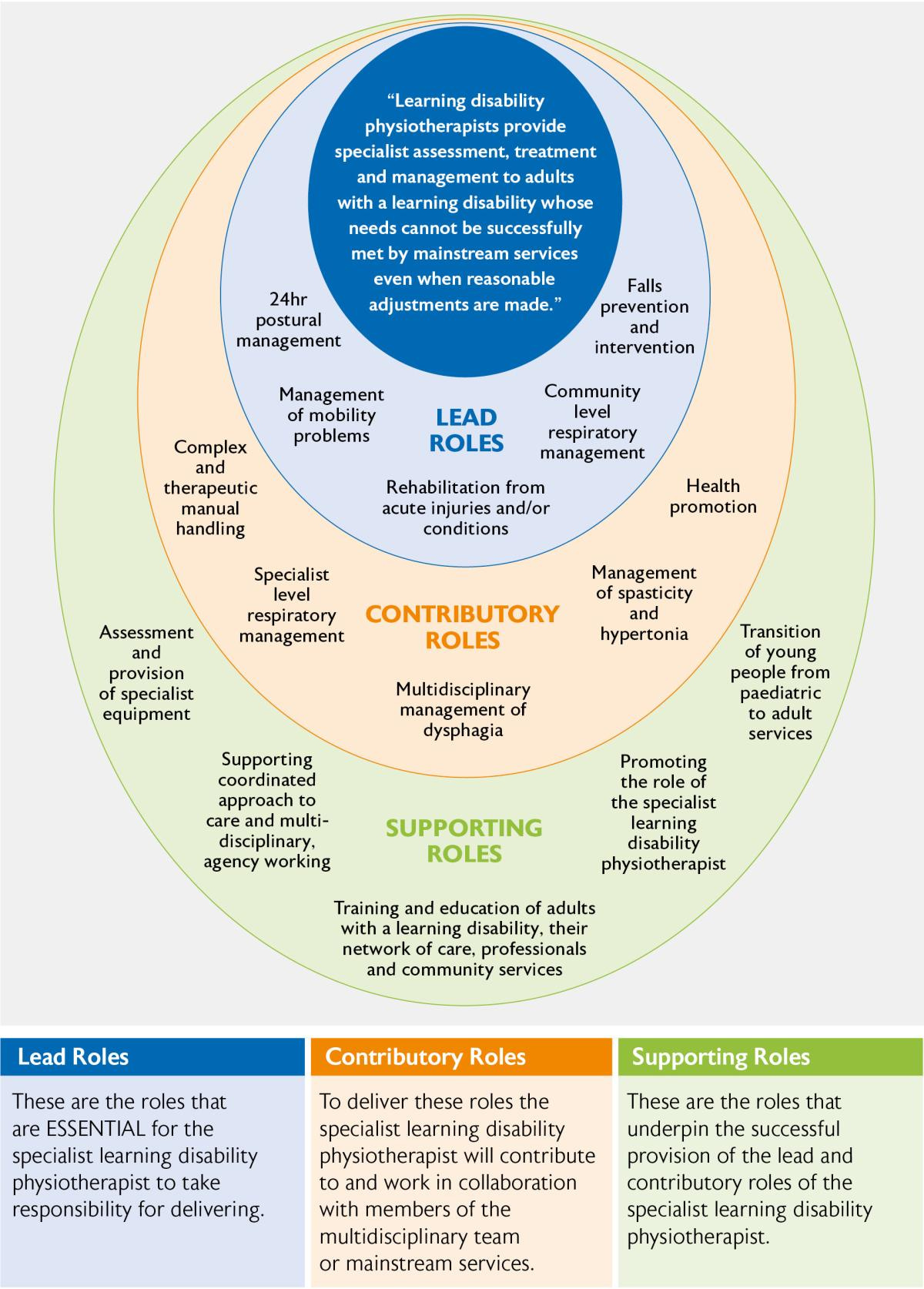
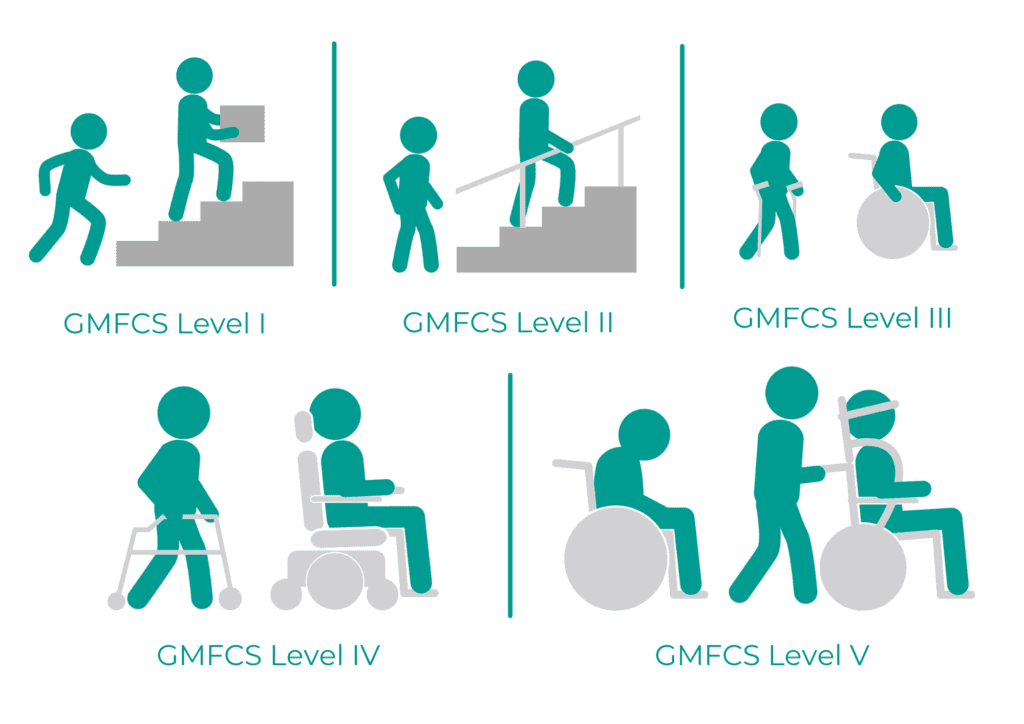
Understanding PMLD in the community
People with PMLD have profound intellectual impairment alongside complex physical disability, severe communication difficulties, and often significant sensory impairment. Most require lifelong, 24-hour support and rely on carers to recognise changes in health and wellbeing.
Health needs are rarely single-system. Respiratory disease, epilepsy, gastrointestinal dysfunction, musculoskeletal deformity, nutritional compromise, and reduced mobility commonly coexist. This complexity means that fragmented care, poor communication, or missed opportunities for prevention carry disproportionate risk.
What the LeDeR reviews tell us
The Learning Disabilities Mortality Review (LeDeR) programme has repeatedly highlighted avoidable causes of death in people with learning disabilities, including those with PMLD.
Key findings include:
People with a learning disability are significantly more likely to die from causes that could have been treated or prevented.
Respiratory disease is the leading cause of death, with pneumonia and aspiration pneumonia accounting for a large proportion of fatalities.
Constipation is one of the most commonly reported long-term conditions and is frequently under-recognised.
Epilepsy care planning is inconsistent, with many people lacking clear seizure management plans or awareness of SUDEP risk.
Inappropriate DNACPR decisions have been documented, with learning disability cited incorrectly as the rationale.
These are not rare or unpredictable events. They reflect systemic failures to apply basic standards of care consistently.
Getting the basics right: where community care can improve
Improving outcomes for people with PMLD does not require highly specialised interventions in every case. It requires consistency, clarity, and accountability.
Key foundations include:
Reasonable adjustments embedded into everyday healthcare access.
Annual health checks and regular medication reviews that translate into meaningful action.
Support to attend vaccination and screening programmes, with appropriate adjustments.
Clear, functional care plans that carers understand and can implement.
Ongoing education for families and support staff about health risks and early warning signs.
Systems to identify deterioration early, such as Restore2 and structured observation tools.
Use of a “grab and go” hospital passport that accurately reflects baseline function and needs.
Physiotherapists should be actively involved in shaping these systems, not working around their absence.
Exercise, movement, and posture: prevention over reaction
Exercise works. Even for individuals with profound disability, movement matters.
For people who cannot move independently, prolonged static postures are not benign. Without intervention, predictable changes occur:
Progressive pelvic obliquity and rotation
Windswept hips
Scoliosis and rib cage distortion
Pain, reduced tolerance of sitting, and compromised respiratory mechanics
24-hour postural care is one of the most powerful preventative strategies available. It does not need to be complex, but it does need to be consistent. Gravity acts 24 hours a day; so must our postural strategies.
Supporting symmetrical pelvic positioning and appropriate limb support reduces long-term musculoskeletal and respiratory consequences. Physiotherapists play a critical role in assessment, equipment prescription, and training carers in safe, consistent handling.
Stretching: a pragmatic, ethical approach
The evidence base for stretching in PMLD is limited, but absence of evidence is not evidence of absence.
Withdrawing stretching entirely is neither ethical nor practical. Stretching provides:
Monitoring of muscle length and joint range
Tactile and sensory input
Familiar routines that reduce distress
Opportunities for physiotherapists to model safe, individualised handling
The emphasis should be on quality, comfort, and safety rather than forcing range or pursuing unrealistic “normalisation”.
Respiratory care: a core physiotherapy responsibility
Respiratory disease remains the single biggest contributor to mortality in people with PMLD.
Contributing factors include:
Altered body shape and restrictive lung mechanics
Ineffective cough due to weakness or incoordination
Reduced mobility and poor secretion clearance
Oral health issues and aspiration risk
Recurrent infections leading to chronic lung change
Physiotherapists must be confident in respiratory assessment and intervention, including:
Positioning and postural drainage where appropriate
Manual techniques such as percussion and vibrations, applied safely
Use of lung volume recruitment (LVR) bags to support cough effectiveness
Judicious use of suction, with clear understanding of risks and indications
Supporting carers with respiratory action plans using red/amber/green frameworks
Education is critical. Carers need to understand bowels, hydration, fatigue, and infection risk as part of respiratory health; not as separate issues.
Supporting carers during deterioration
Exacerbations and infections are high-risk periods. Physiotherapy input should extend beyond treatment to structured support:
Clear respiratory action plans
Guidance on mucolytics and airway clearance escalation
Reinforcement of “basic” monitoring such as urine output, bowels, and observations
Use of NEWS2 where appropriate, with escalation pathways understood
Health promotion still matters
Health promotion is often overlooked in PMLD, yet it remains essential:
Encouraging movement and activity at every opportunity
Supporting nutrition and hydration
Managing fatigue proactively
Avoiding preventable secondary complications
Reducing exposure to unhealthy behaviours where possible
Physiotherapy should consistently advocate for quality of life, not just crisis management.
Reasonable adjustments are not optional
Reasonable adjustments must be embedded, not improvised. This includes:
Flexible appointment structures
Accessible communication
Familiar environments where possible
Time to listen to carers who know the person best
Failure to provide reasonable adjustments is not a neutral omission, it directly contributes to poorer outcomes.
Final reflections
People with PMLD do not die early because their needs are too complex. They die early because systems fail to deliver consistent, basic, preventative care.
Physiotherapists working in the community are uniquely placed to influence posture, movement, respiratory health, and carer competence; all of which directly impact morbidity and mortality.
Getting the basics right is not simplistic. It is skilled, evidence-informed, and essential.
Sian Midwinter MSc MCSP Chartered Physiotherapist & Director of Midwinter Physiotherapy